

Flowers that start with U are among the rarest in the entire alphabet, which actually works in a gardener’s favor. A short list means every entry here gets real, specific detail instead of a rushed one-liner buried among dozens of near-duplicates.
This guide sorts flowers that start with U by growing context first, not alphabet order. Sun needs, shade tolerance, bloom speed, and skill level all come before any A-Z list. That structure gets you to a usable answer faster than scanning a name index from top to bottom, especially for a letter this compact.
The tone stays practical throughout. Easy plants get called easy. One entry here carries an unusual, non-toxic safety note worth knowing before planting near pets or bare feet. Nothing gets inflated just to pad out a genuinely short letter.
A full alphabetical index, a botanical name crosswalk, and a safety table sit near the end for quick reference. But the growing-context sections that follow are where the real planning value lives, especially given how few dedicated resources exist for this particular letter.
Quick Take: Where to Start
Umbrella Plant solves the boggy-corner problem better than almost any other perennial, thriving in consistently wet soil where many other flowering plants would rot. Uvularia, commonly called Bellwort, works differently, producing soft yellow, nodding blooms in a shaded woodland setting each spring.
Ursinia earns its spot as the sun-loving daisy pick, blooming quickly from seed and holding its bright orange or yellow color through a full season of direct light. Urn Plant, a bromeliad grown mainly as a houseplant, brings a long-lasting, dramatic pink flower spike to an indoor setting with minimal care.
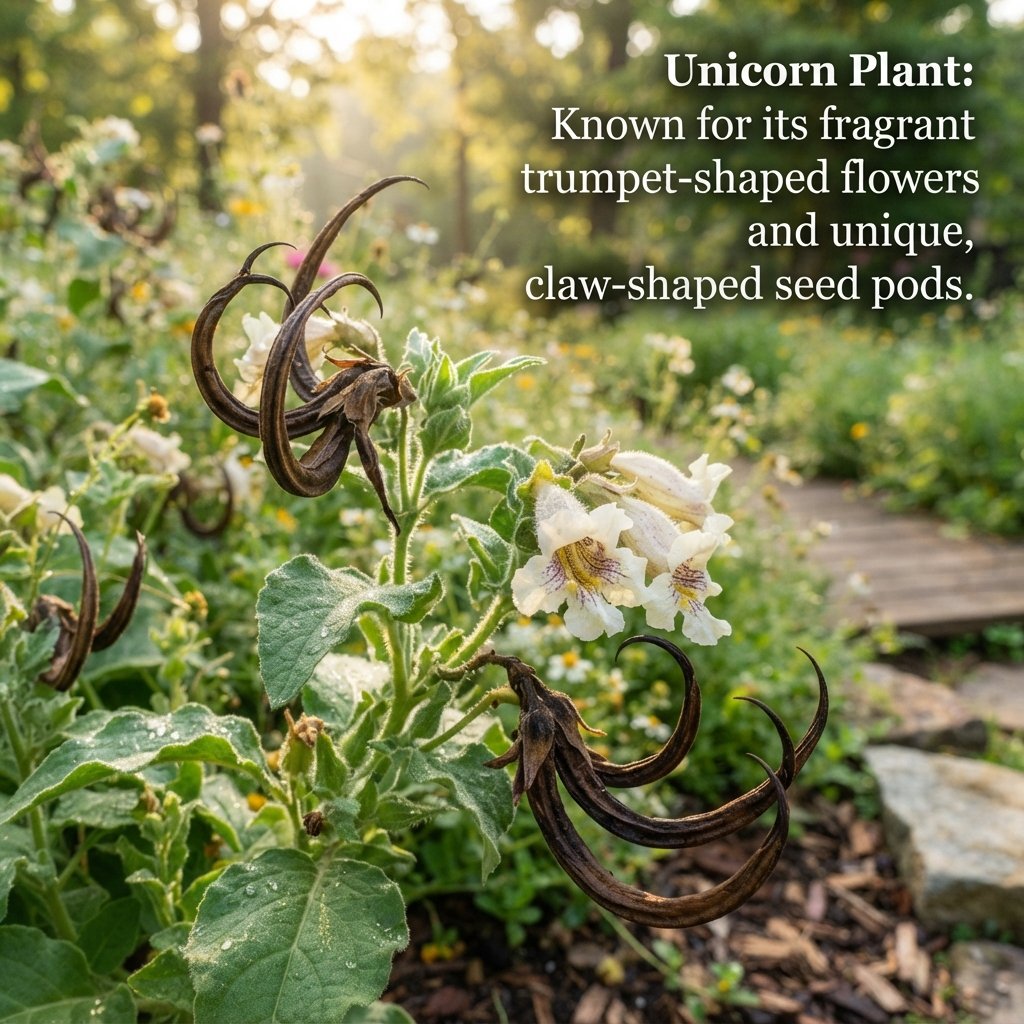
Upright Prairie Coneflower solves a specific problem: naturalized meadow color that needs almost no irrigation once established. Unicorn Plant rounds out the group as the conversation piece — its curling, claw-shaped seed pods, which follow a fragrant, trumpet-like flower, are unlike anything else covered in this series.
Umbrella Papyrus closes the list as the water-garden pick, adding architectural, grass-like texture to a pond edge or bog planting where flowering options are otherwise limited.
Full-Sun Picks That Hold Their Own
A handful of flowers that start with U were built for strong, direct light. These work well in an open meadow-style bed, a sunny border, or any spot that gets sun most of the day.
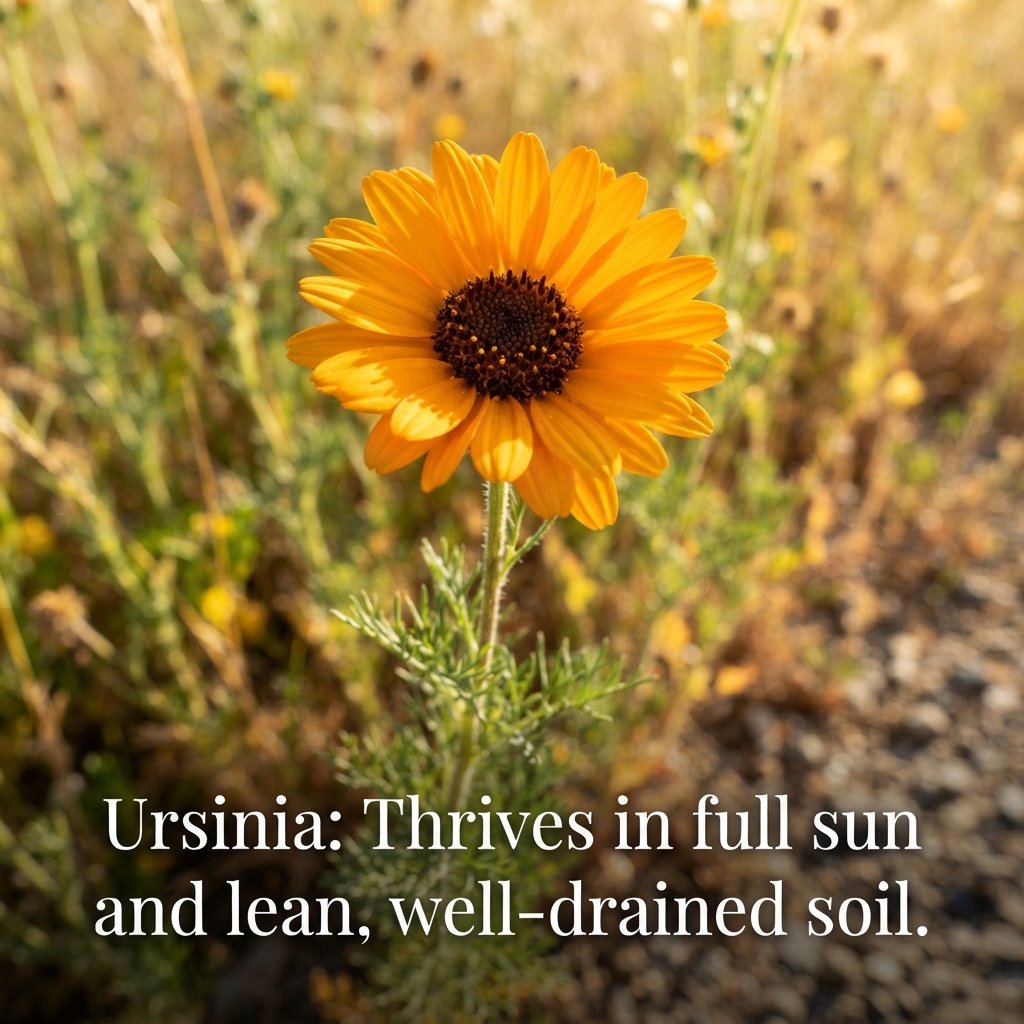
Ursinia thrives in full sun and actually blooms more reliably in lean, well-drained soil than in rich garden beds, where excess moisture can cause it to struggle. Upright Prairie Coneflower tolerates poor, dry soil about as well as any native perennial, making it a strong pick for a naturalized meadow planting that gets little supplemental water. Ube, grown as a vining plant primarily for its purple tuber, produces flowers most readily with a full day of direct sun and warm, humid conditions.
- Ursinia — blooms best in lean, well-drained soil and full sun
- Upright Prairie Coneflower — tolerates poor, dry soil in naturalized plantings
- Ube (Purple Yam) — needs full sun and warm, humid conditions to flower
Ube deserves a specific mention here, since it’s grown far more often for its edible tuber than its flowers, but the vine does produce blooms under the right warm, sunny conditions in tropical and subtropical climates.
Shade and Partial-Shade Options
Shade narrows this letter down to a small handful of genuinely reliable choices, but the ones that prefer it are well worth knowing for a woodland-style planting.
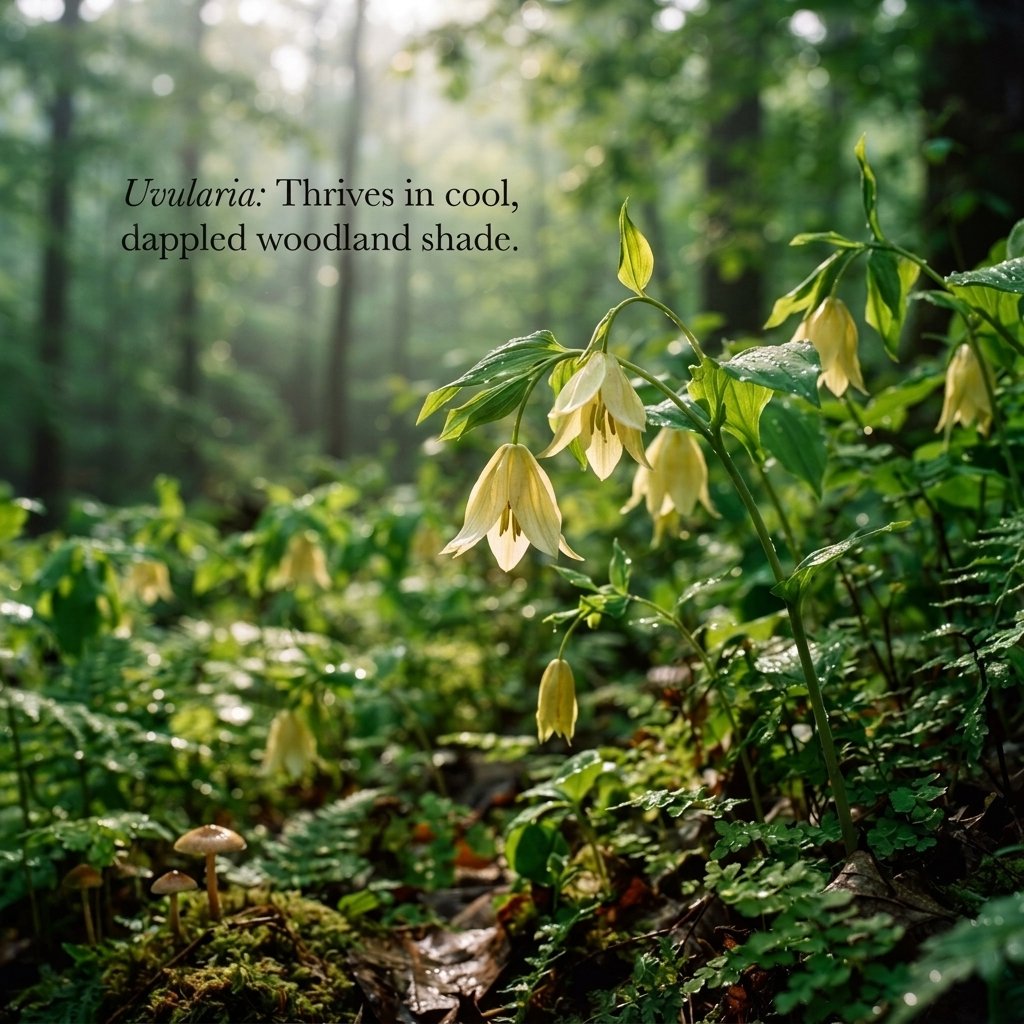
Uvularia leads this group clearly, needing the cool, dappled light of a deciduous woodland to perform at its best, since strong sun tends to scorch its delicate foliage. Umbrella Leaf, a native woodland wildflower with broad, umbrella-shaped foliage and clusters of small white spring flowers, needs consistent shade and moist, humus-rich soil to establish. Urn Plant, grown indoors, prefers bright, indirect light rather than direct sun, which can scorch its patterned foliage.
- Uvularia — needs cool, dappled woodland shade
- Umbrella Leaf — consistent shade and moist, humus-rich soil
- Urn Plant — bright, indirect indoor light, not direct sun
Umbrella Leaf rounds out this group as the rarer find. It’s closer to a native plant enthusiast’s discovery than a typical nursery purchase, so sourcing it may take more effort than simply visiting a local garden center.
Fast Bloomers Versus Slow Payoff
Bloom speed shifts which flowers that start with U make sense for a short-timeline project. A few reward you within weeks; others ask for real patience.
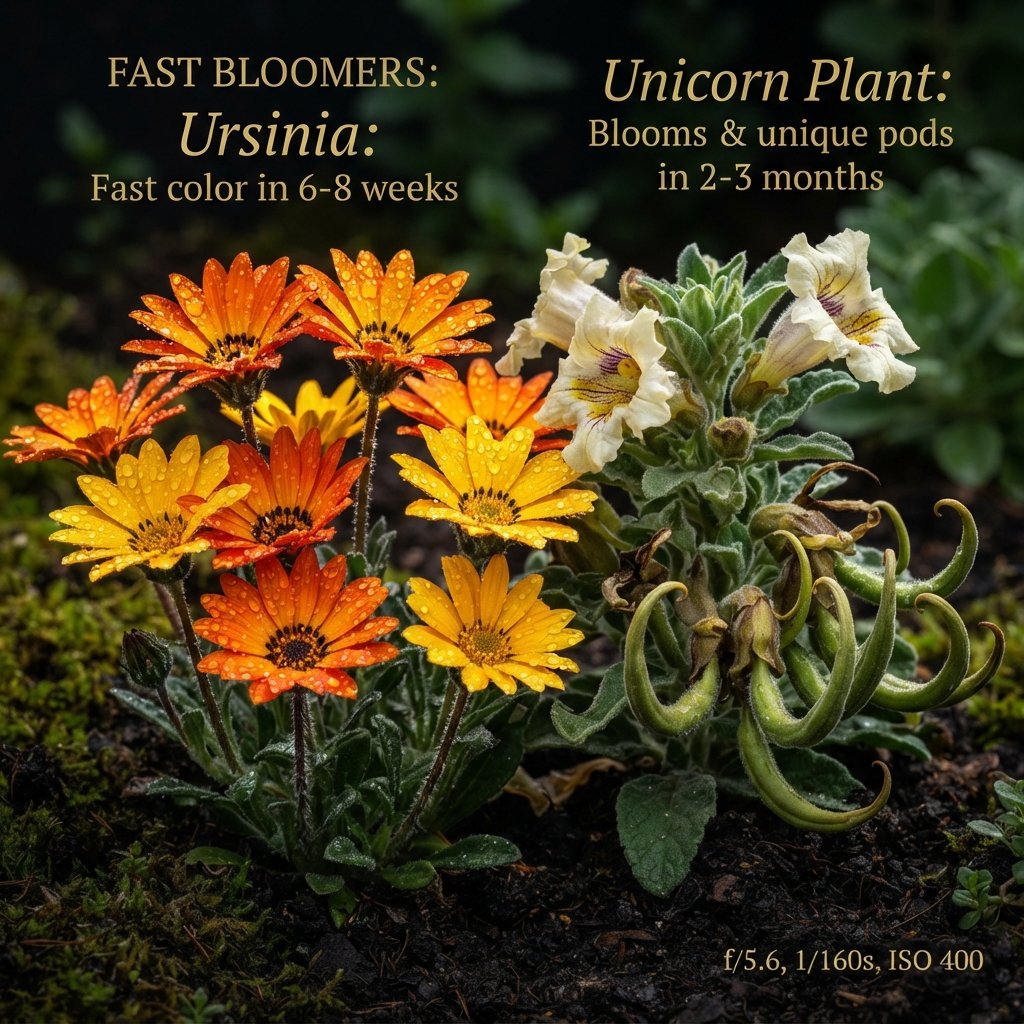
Ursinia is the fastest mover in this group by a wide margin, often producing its first blooms within six to eight weeks of direct sowing, which makes it a strong choice for gardeners wanting quick color. Unicorn Plant follows a similar timeline as a warm-season annual, typically flowering within two to three months from seed before its distinctive seed pods begin to form.
Uvularia sits at the slower end, since established clumps take a couple of seasons to spread and produce a fuller spring display. Umbrella Plant, grown from rhizome divisions, also needs a full season or more to establish before reaching its mature size and bloom potential. Anyone working against a tight deadline should lean toward Ursinia or Unicorn Plant rather than these slower perennial picks.
What Actually Holds Up With Minimal Care
A couple of flowers that start with U tolerate real neglect, which matters most for a first-time grower who wants results without a strict schedule.
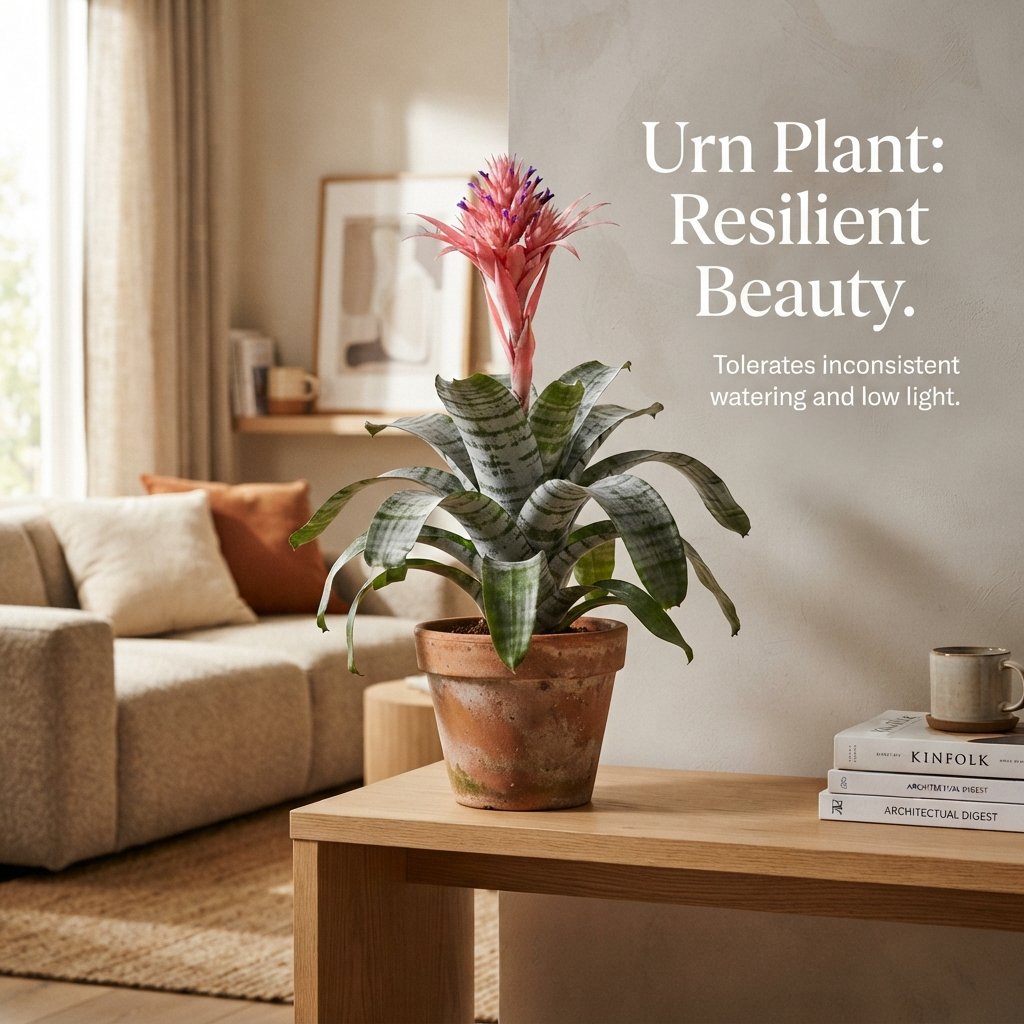
Urn Plant is the standout among houseplants in this group, tolerating inconsistent watering and lower indoor light better than most flowering bromeliads. Ursinia is nearly as forgiving outdoors, self-seeding readily in a sunny spot and returning without much deliberate effort in the following season.
- Urn Plant — tolerates inconsistent watering and lower indoor light
- Ursinia — self-seeds readily, returns with minimal effort
The tradeoff with both is a relatively short individual bloom period. Neither delivers months of continuous flowers the way some more demanding perennials do, but both ask for very little in return.
The One Worth a Careful Look
This letter doesn’t carry the same kind of serious toxicity concerns found in some other letters, but one entry deserves an unusual, non-chemical safety note.
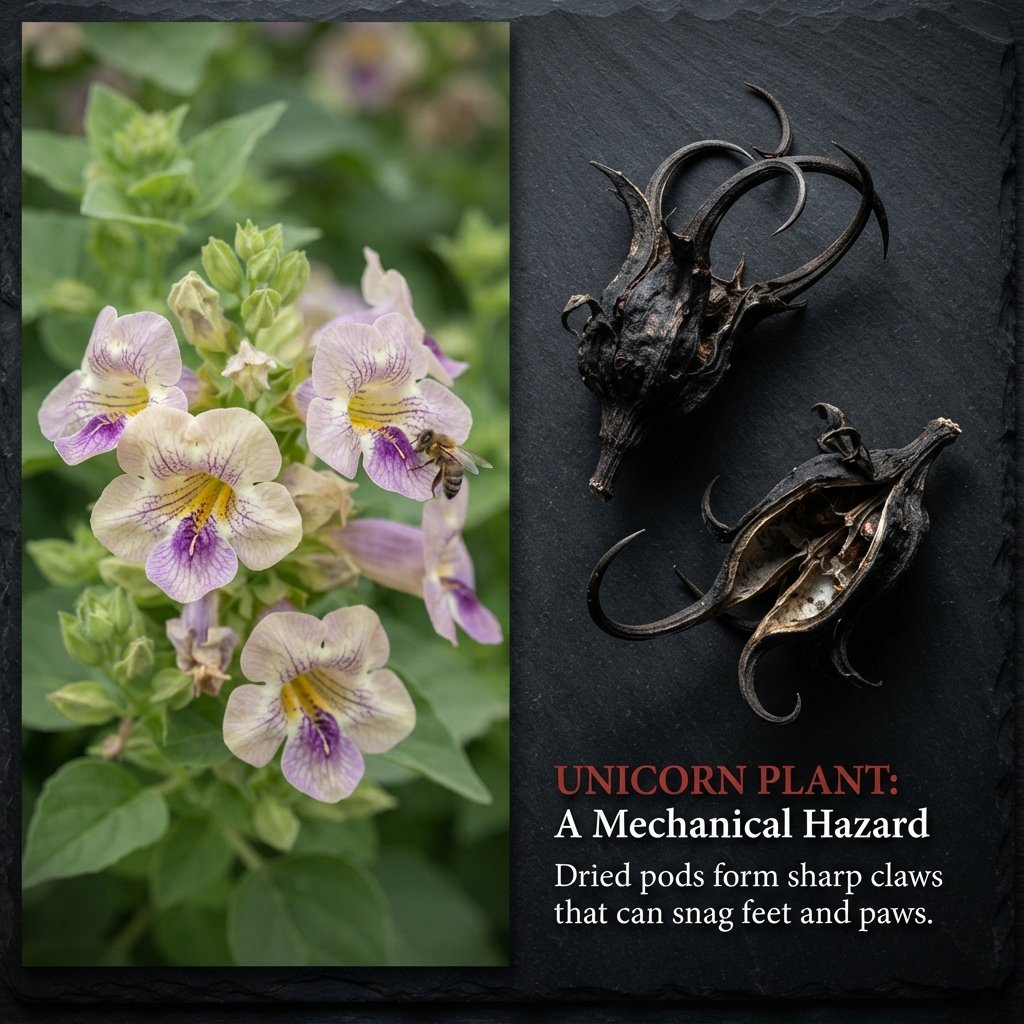
Unicorn Plant isn’t toxic to eat or touch, but its seed pods develop a pair of long, sharp, curving claws as they dry, a feature that gives the plant its common name and its alternate name, Devil’s Claw. Those claws can catch painfully on bare feet, pet paws, and even livestock hooves if the pods are left on the ground to dry, and removing an embedded claw sometimes requires real effort. Umbrella Tree, more commonly grown as an indoor Schefflera, contains calcium oxalate crystals that cause mouth and throat irritation if a pet chews on the leaves, a concern shared with several other popular houseplants.
- Unicorn Plant — dried seed pods form sharp claws, a mechanical hazard rather than a toxin
- Umbrella Tree (Schefflera) — oxalate crystals cause oral irritation if chewed by pets
Unicorn Plant is worth flagging specifically for households with barefoot kids or dogs that explore the yard, since the hazard here is physical rather than chemical, and it’s easy to overlook until someone steps on a dried pod.
A Companion Planting Guide
Companion planting options are limited for this letter, but a couple of pairings are worth knowing for anyone working with a water garden or naturalized bed. Shared moisture needs and root-space compatibility matter more here than pest deterrence specifically.
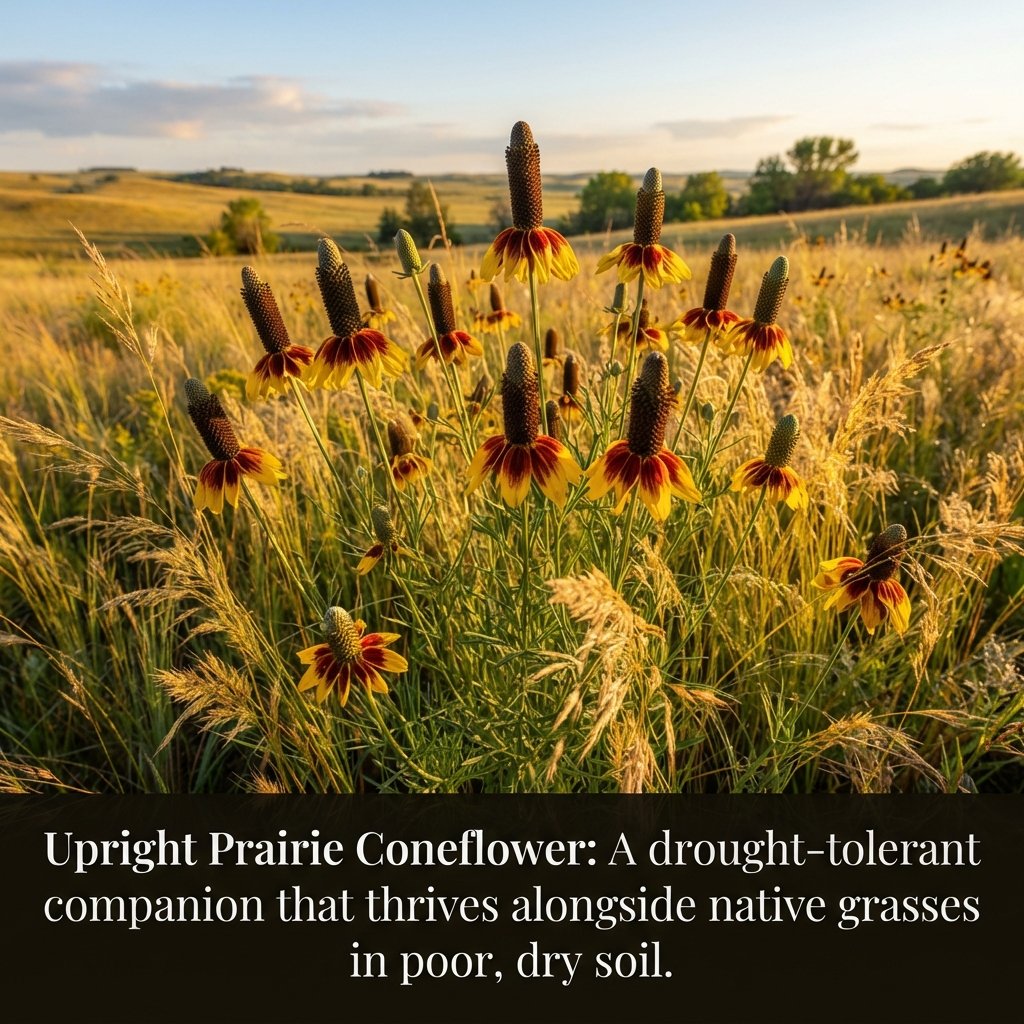
Umbrella Papyrus pairs well with other pond-edge and bog plants, since all share the same consistently wet soil requirement without competing for the same limited dry ground. Upright Prairie Coneflower grows comfortably alongside native prairie grasses, both tolerating the same poor, dry soil conditions without one outcompeting the other for water.
| Flower | Good Companion | Why It Works |
| Umbrella Papyrus | Water lilies, pond-edge plants | Shares consistently wet soil needs |
| Upright Prairie Coneflower | Native prairie grasses | Matches drought tolerance and poor-soil needs |
| Uvularia | Ferns, other woodland shade plants | Shares cool, moist, dappled-light conditions |
Umbrella Papyrus stands out as the most useful pairing here, since water gardens often struggle to find enough flowering options that genuinely tolerate standing water, and this plant fills that gap reliably.
A Season-by-Season Care Calendar
Timing matters for the handful of flowers that start with U worth planning around closely. The calendar below covers the top picks from the Quick Take section.
March: Start Ursinia and Unicorn Plant seeds indoors in cooler climates, since both need warm soil to germinate reliably outdoors.
April: Direct-sow Ursinia once frost risk has passed. Divide and transplant established Uvularia clumps if they’ve become overcrowded.
May: Plant out Unicorn Plant seedlings once nights stay reliably warm. Move Urn Plant outdoors to a shaded patio spot for the summer if it spent winter indoors.
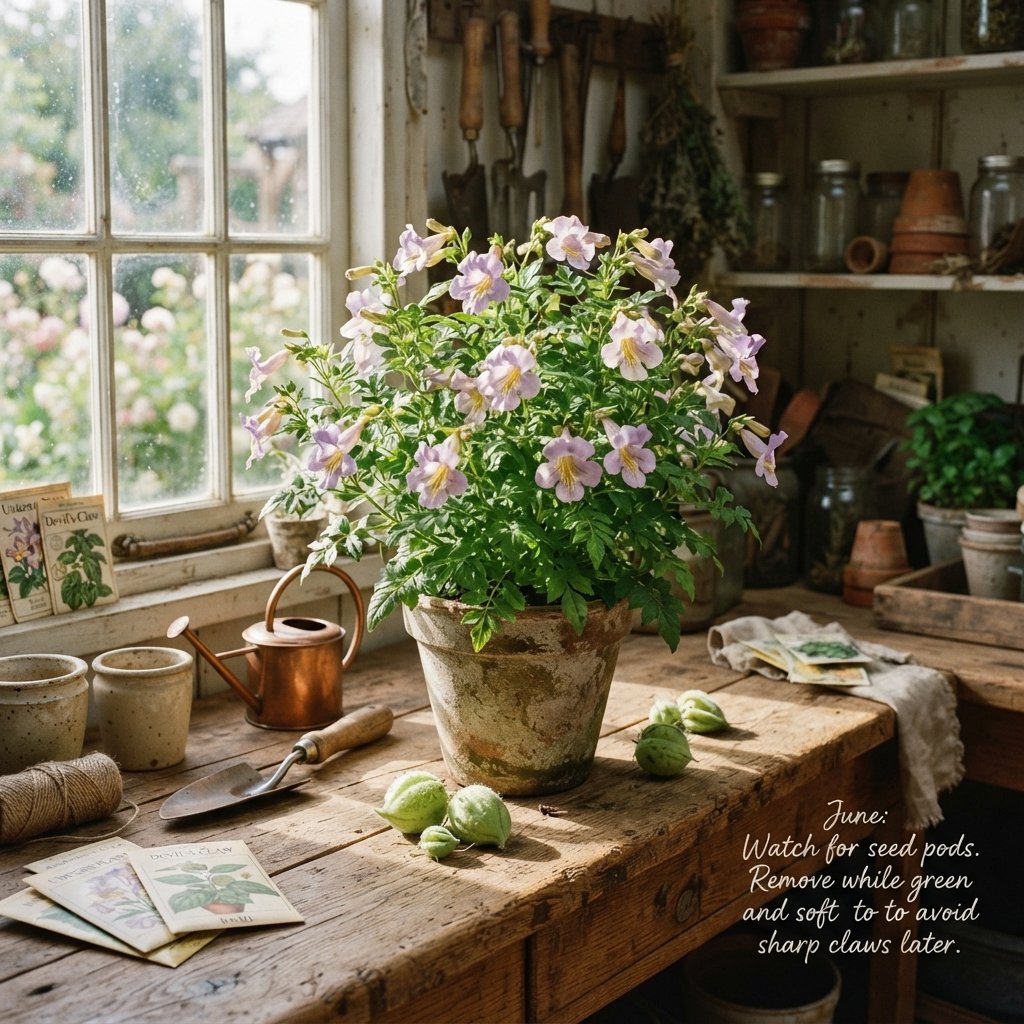
June: Watch Unicorn Plant flowers begin forming their distinctive seed pods, and consider removing spent pods early if bare feet or pets are a concern in the yard.
September: Bring Urn Plant back indoors before nighttime temperatures drop, since it doesn’t tolerate frost.
October: Cut back Umbrella Plant foliage after the first hard frost to tidy the bed before winter dormancy.
The most useful timing note for this letter involves Unicorn Plant specifically. Removing its seed pods while they’re still green and soft avoids the sharp, dried claws that form later in the season if pods are left in place.
Mistakes Beginners Make With This Letter
A few errors show up with flowers that start with U, and most trace back to simple unfamiliarity rather than any real difficulty growing them.
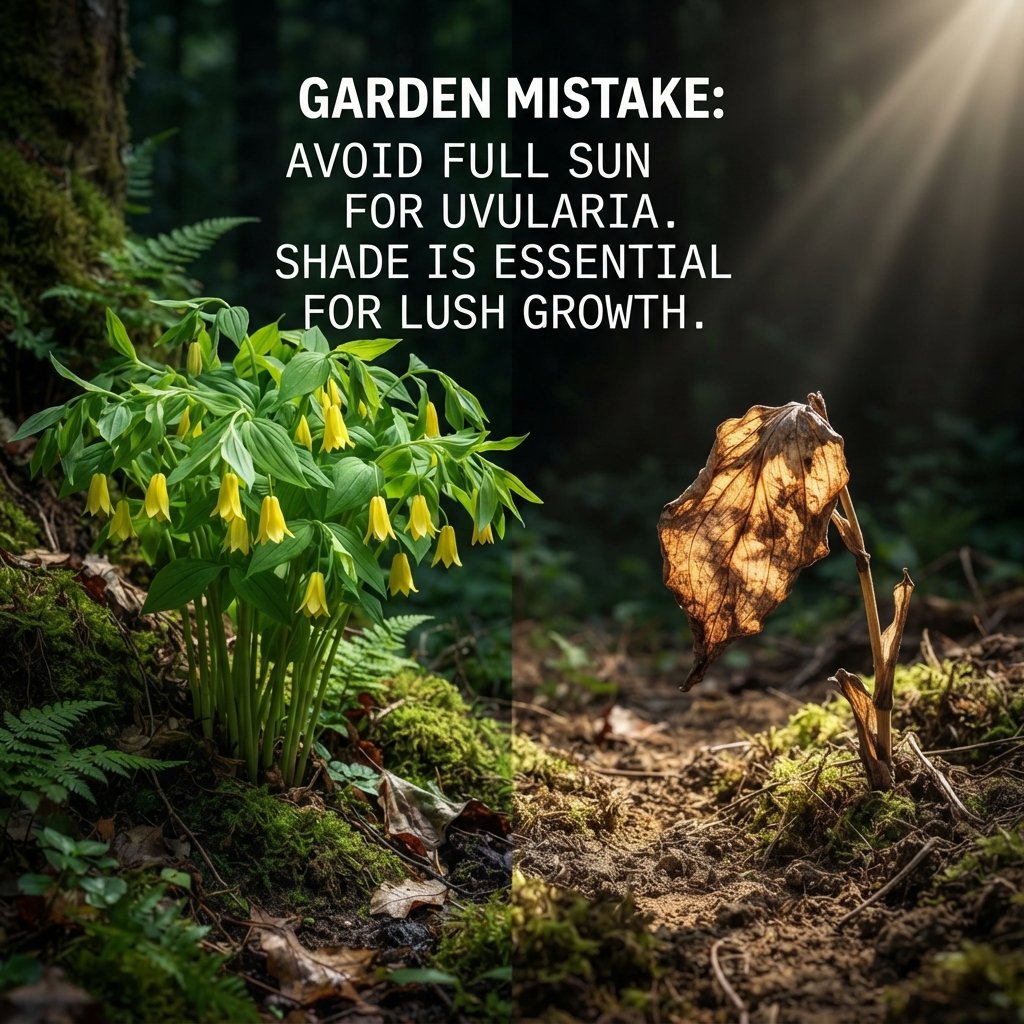
Leaving Unicorn Plant seed pods to dry fully in a yard used by bare-footed kids or pets is the most common practical mistake, since the resulting claws can cause a genuinely painful surprise. Planting Uvularia in full sun rather than shade is another frequent issue, leading to scorched foliage and a disappointing, short-lived display. Overwatering Ursinia is a less obvious mistake, since gardeners used to thirstier annuals sometimes drown a plant that actually prefers to stay on the drier side.
- Leaving Unicorn Plant seed pods to dry in high-traffic areas
- Planting Uvularia in full sun instead of dappled shade
- Overwatering Ursinia, which prefers lean, well-drained soil
- Exposing Urn Plant to direct summer sun, which scorches its foliage
Most of these mistakes come down to treating an unfamiliar plant like a more common substitute, which makes sense given how rarely this letter comes up in typical garden planning.
Where to Actually Buy These
Availability is limited across this entire letter compared to almost any other. Urn Plant is the most widely available, sold as a houseplant at many general garden centers and even some grocery store floral sections. Ursinia and Unicorn Plant seeds are reasonably available through specialty seed catalogs, though they’re less common as established nursery starts.
Uvularia, Umbrella Leaf, and Upright Prairie Coneflower typically require a native-plant nursery or a specialty perennial supplier rather than a general garden center. This entire letter sits closer to the specialty-order end of the spectrum than most others in this series, so patience and a bit of extra searching are part of the process for anyone set on growing several of these.
If You Only Have Room for a Couple
Given how short this letter runs, a curated shortlist matters even more than usual. Urn Plant takes the first spot as the most widely available and lowest-effort option, particularly for anyone gardening indoors or on a shaded patio. Uvularia earns the second spot for anyone with a shaded, woodland-style bed, since few other flowers that start with U perform as reliably in that setting.
A third pick depends on climate and space. Gardeners with a sunny meadow or naturalized area should choose Upright Prairie Coneflower for low-water color. Anyone with kids or curious pets and a taste for the unusual might still choose Unicorn Plant, provided they’re prepared to manage its seed pods before they dry.
Handling These Safely
This letter carries far less toxicity risk than most others in this series, though one entry deserves a physical, rather than chemical, safety note. Unicorn Plant’s dried seed pods form sharp, curving claws that can injure bare feet, paws, and hooves, even though the plant itself isn’t poisonous to touch or ingest in normal quantities. Umbrella Tree, grown indoors as a Schefflera, contains calcium oxalate crystals that cause mouth and throat irritation if chewed by a pet, a concern shared with several other common houseplants in the same family.
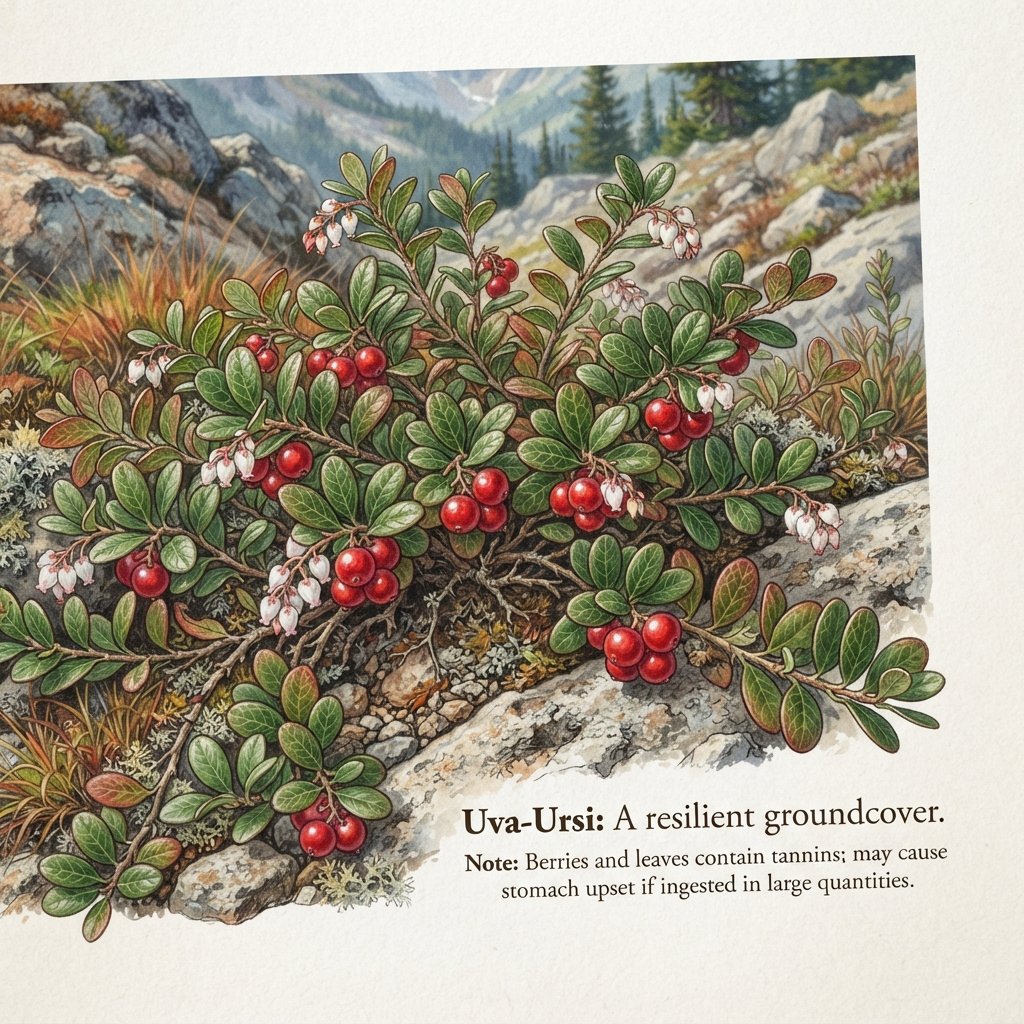
Uva-Ursi, a groundcover shrub with small bell-shaped flowers, has a long history of medicinal use but can cause stomach upset if its leaves or berries are eaten in large quantities due to tannin content. Urn Plant and Ursinia, by contrast, carry minimal known toxicity risk and are generally considered safe around pets and children.
| Flower | Safety Concern Level | Main Concern |
| Unicorn Plant | Mechanical hazard | Dried seed pods form sharp claws |
| Umbrella Tree (Schefflera) | Mild | Oxalate crystals irritate mouth and throat |
| Uva-Ursi | Mild | Tannins can cause stomach upset in excess |
| Urn Plant | Minimal | Generally considered safe |
| Ursinia | Minimal | Generally considered safe |
Households with bare-footed kids or outdoor pets should treat Unicorn Plant’s dried seed pods as a genuine, if minor, hazard worth removing promptly. The rest of this letter poses comparatively little concern next to some of the more seriously toxic flowers covered in other parts of this series.
Sorting These Flowers by Color
Color options run thin across this letter, but a few genuine standouts exist in each category worth knowing.
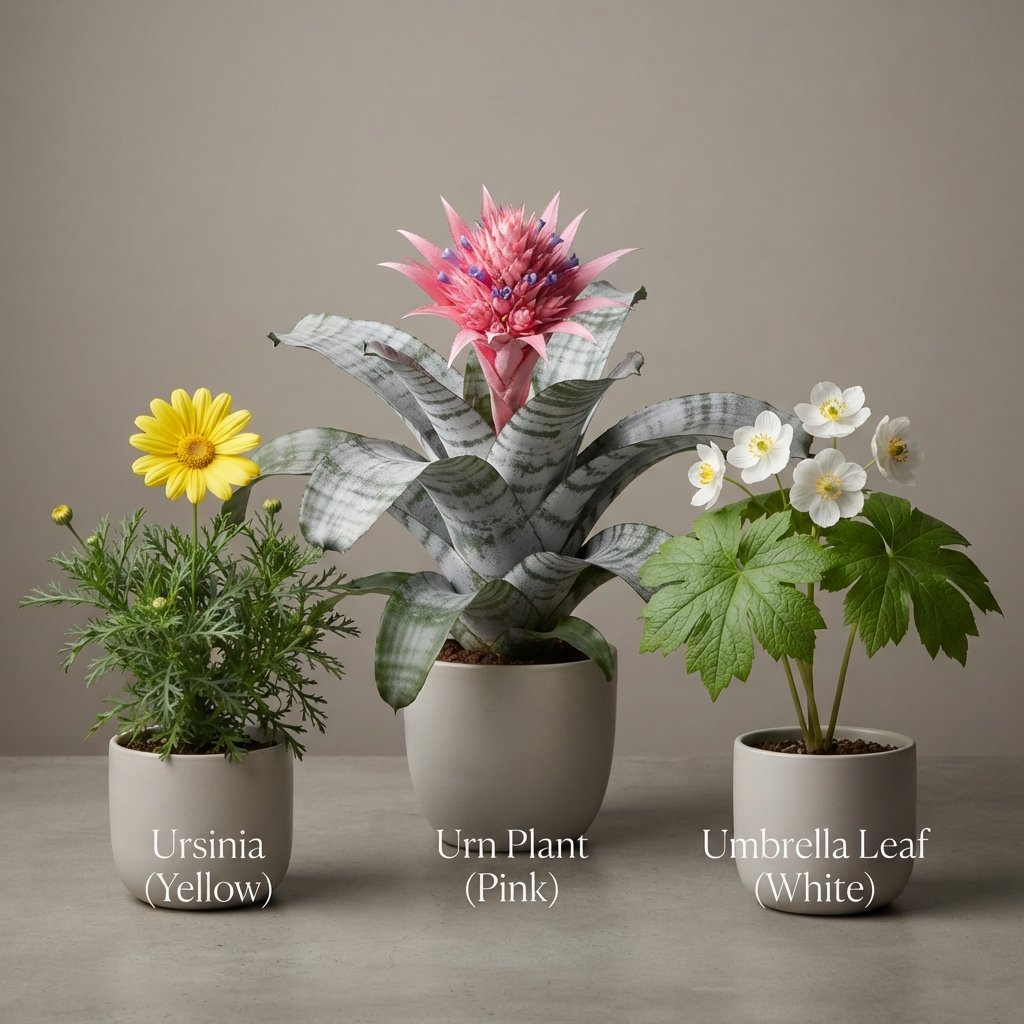
Yellow flowers lead this letter, headlined by Uvularia and Ursinia, both offering a soft or bright yellow tone depending on growing conditions and light exposure. Pink flowers follow with Urn Plant, whose long-lasting bromeliad flower spike brings sustained color to an indoor setting for weeks at a time. White flowers are represented by Umbrella Leaf, whose small spring clusters contrast nicely against its broad, distinctive foliage. Purple tones show up in Ube’s flowers, though the plant is grown far more often for its tuber than for ornamental bloom display.
Full Name Index
The list below rounds up the flowers that start with U worth knowing, mixing common names with botanical genus names. Detailed growing notes for the most relevant entries appear in the sections above; this index exists purely as a fast lookup.
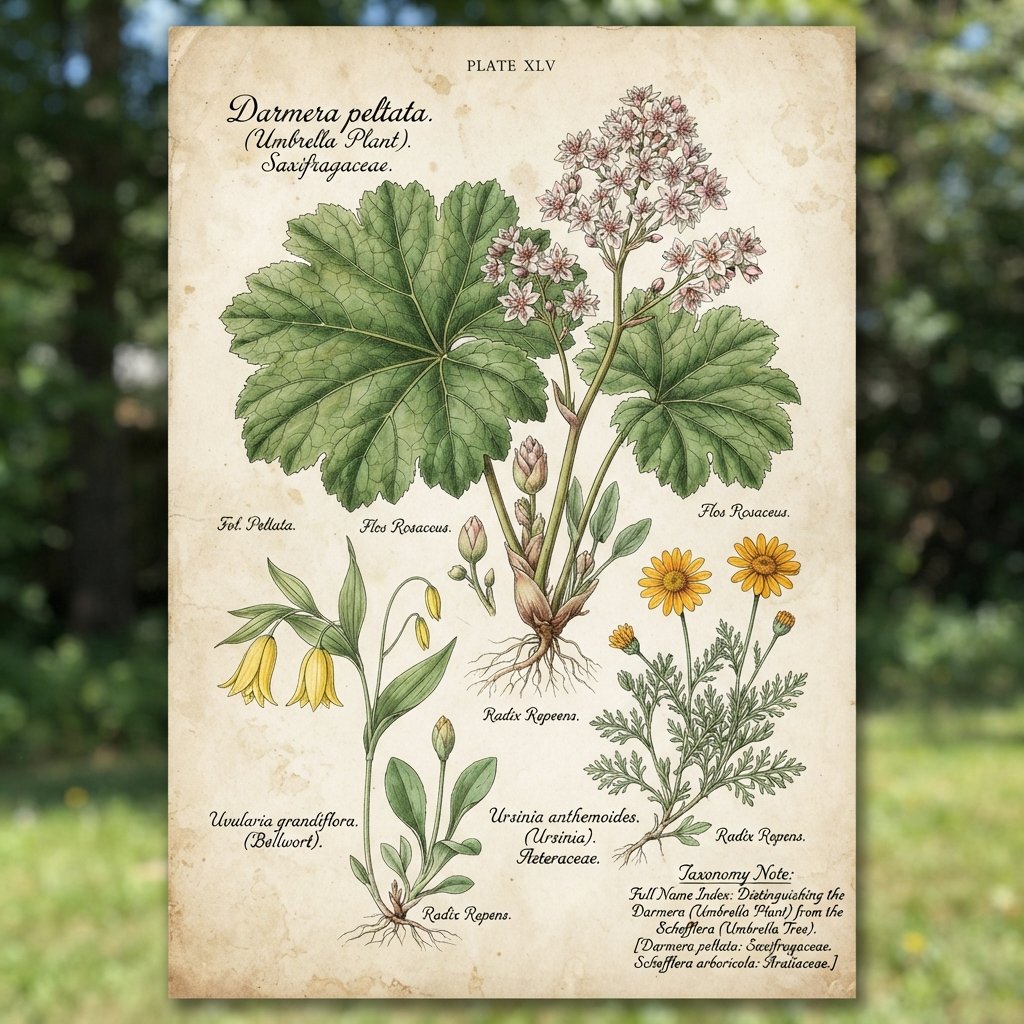
- Umbrella Plant (Darmera peltata)
- Urn Plant
- Ursinia
- Uvularia (Bellwort)
- Unicorn Plant (Devil’s Claw)
- Upright Prairie Coneflower
- Umbrella Sedge (Papyrus)
- Uva-Ursi (Bearberry)
- Ube Flower (Purple Yam)
- Urospermum (Golden Hawksbeard)
- Umbrella Tree Flower
- Utricularia (Bladderwort)
- Upland Cotton Flower
- Ursinia Anthemoides
- Uniola (Sea Oats)
- Umbellularia (California Bay)
- Urn Orchid
- Umbrella Leaf
- Utah Beardtongue
- Ursinia Chrysanthemoides
- Ulmaria (Meadowsweet, alternate name)
- Umbrella Amaryllis
- Underwood’s Beardtongue
- Upright Yellow Wood Sorrel
A couple of names here overlap or confuse buyers. Ulmaria is simply an older botanical synonym for Meadowsweet, more commonly filed under its current name, Filipendula. Umbrella Plant and Umbrella Tree also get mixed up occasionally, despite one being a low, moisture-loving perennial and the other a tropical indoor tree.
Common Name to Botanical Name Crosswalk
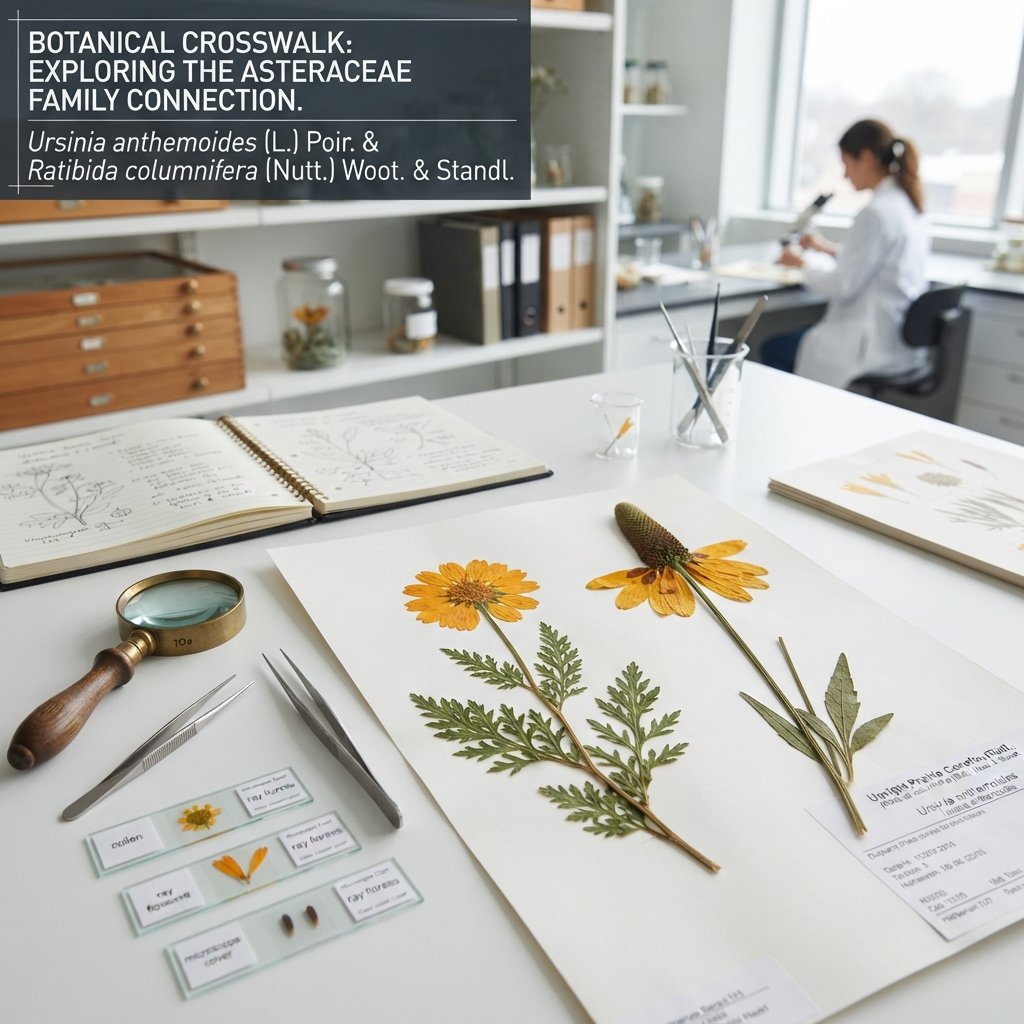
Botanical names matter most when ordering online or confirming a nursery tag, since common names shift by region in ways botanical names don’t. The crosswalk below covers the flowers referenced most throughout this guide.
| Common Name | Botanical Name | Family |
| Umbrella Plant | Darmera peltata | Saxifragaceae |
| Urn Plant | Aechmea fasciata | Bromeliaceae |
| Ursinia | Ursinia anthemoides | Asteraceae |
| Uvularia | Uvularia grandiflora | Colchicaceae |
| Unicorn Plant | Proboscidea louisianica | Martyniaceae |
| Upright Prairie Coneflower | Ratibida columnifera | Asteraceae |
| Umbrella Tree | Schefflera actinophylla | Araliaceae |
| Uva-Ursi | Arctostaphylos uva-ursi | Ericaceae |
Ursinia and Upright Prairie Coneflower sharing the Asteraceae family explains their similar daisy-like flower structure, despite fairly different native ranges and climate needs. Uva-Ursi’s placement in Ericaceae, the heath family, connects it to Rhododendron and Mountain Laurel, other members known for producing bell-shaped flowers and preferring acidic soil.
What These Flowers Have Meant Through History
A couple of flowers that start with U carry meaning worth knowing beyond their growing needs. Uvularia’s nodding, downward-facing blooms have long been associated with modesty and quiet grace, an association that fits naturally with a woodland flower that stays low and unassuming beneath a forest canopy rather than demanding attention in an open bed.
Unicorn Plant’s folklore ties directly to its unusual seed pods, whose curling, horn-like claws inspired comparisons to mythical unicorns long before the plant’s more practical hazard became widely known among gardeners. That same distinctive shape has made the dried pods a popular, if slightly unusual, addition to dried flower arrangements and craft projects in regions where the plant grows wild. Urn Plant, as a bromeliad, has picked up a general association with hospitality in some traditions, likely tied to the way its central “urn” naturally collects and holds water, a detail often highlighted in tropical plant folklore.
Final Thoughts
Flowers that start with U may be few in number, but the ones that exist cover genuine range, from the shade-loving elegance of Uvularia to the sun-loving cheer of Ursinia and the curious, claw-podded Unicorn Plant. Starting with sun, shade, and skill level makes it far easier to land on the right flowers that start with U for your specific space, rather than settling for the first name you happen to recognize. Given how short this letter runs, even a single well-chosen pick can genuinely round out a garden that’s missing something the rest of the alphabet doesn’t quite offer.
Frequently Asked Questions
What are the easiest flowers that start with U for beginners?
Urn Plant and Ursinia are the most forgiving picks. Both tolerate inconsistent care and average conditions without much loss in appearance.
Is Unicorn Plant dangerous to grow?
It’s not toxic, but its dried seed pods form sharp claws that can injure bare feet or pet paws. Removing pods while still green avoids the issue.
Why does my Uvularia look scorched?
It’s likely getting too much direct sun. Uvularia needs cool, dappled woodland shade and struggles in an open, sunny bed.
What’s the fastest-blooming flower that starts with U?
Ursinia typically flowers within six to eight weeks of direct sowing, making it a strong choice for gardeners wanting quick color.
Can Urn Plant survive outdoors year-round?
Only in frost-free climates. Elsewhere, it needs to be brought indoors or into a greenhouse before temperatures drop in fall.
Is Umbrella Tree the same as Umbrella Plant?
No. Umbrella Tree is a tropical indoor Schefflera, while Umbrella Plant, Darmera peltata, is a low, moisture-loving outdoor perennial.
Why is this letter so short compared to others?
Very few plant genera and common names naturally begin with U, which is why flowers that start with U form one of the shortest groups in the alphabet.
Is Ube grown mainly for its flowers or its tuber?
Mainly its tuber. Ube is a purple yam grown primarily as a food crop, though the vine does produce flowers under warm, sunny conditions.
What’s a good companion plant for Umbrella Papyrus?
Water lilies and other pond-edge plants work well, since all three share the same consistently wet soil requirement.