

Most articles about flowers that start with A simply present a long alphabetical list. While those lists are useful for quick reference, they rarely help gardeners decide which plants actually belong in their landscape.
A flower may look stunning in photographs but struggle in local conditions. Another may bloom beautifully yet require far more maintenance than expected. Choosing flowers based only on appearance often leads to disappointing results.
A better approach is to start with growing conditions. Some flowers thrive in the blazing sun. Others perform best in woodland shade. Certain varieties reward beginners with months of blooms, while a few are better suited to experienced gardeners who enjoy a challenge.
This guide focuses on practical decisions first and alphabetical reference second. Readers can quickly identify which flowers fit their space, climate, and gardening goals before exploring the complete name index later in the article.
Quick Picks for Gardeners Who Want Results
Not every flower deserves equal attention. Some provide exceptional color with very little work, while others stand out because of their fragrance, pollinator value, or unusual appearance.
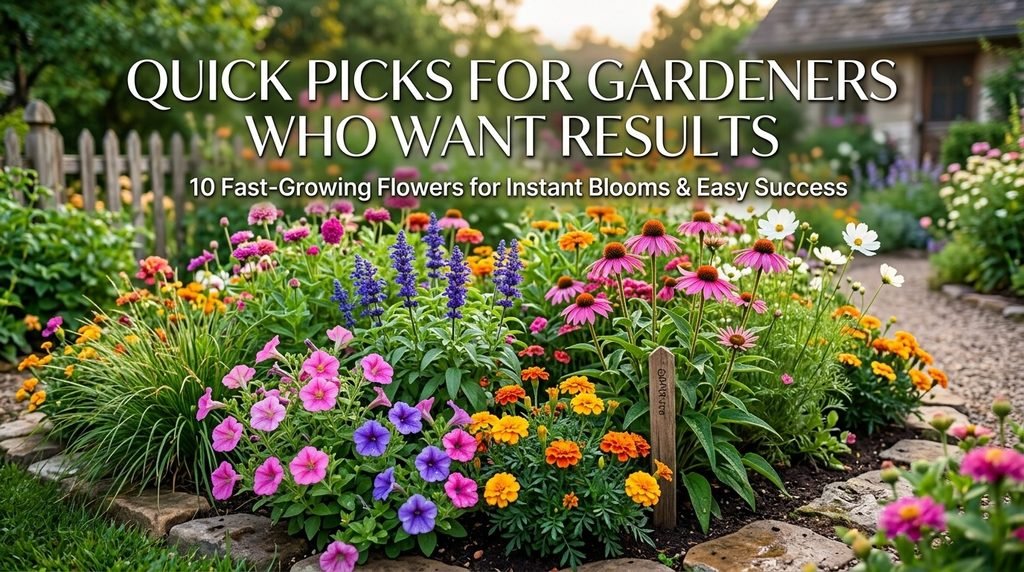
The flowers below are excellent starting points for anyone researching flowers that start with A.
| Flower | Why Gardeners Choose It |
| Alyssum | Long bloom season and sweet fragrance |
| Aster | Late-season color when many flowers fade |
| Anemone | Elegant blooms for spring and fall gardens |
| African Daisy | Heat-loving and colorful |
| Azalea | Spectacular spring displays |
| Agapanthus | Excellent for borders and containers |
| Amaryllis | Large dramatic flowers |
| Angelonia | Continuous summer blooms |
| Aquilegia | Excellent choice for partial shade |
| Armeria | Compact growth and low maintenance |
These flowers cover a wide range of garden situations. Some work beautifully in containers, while others become focal points in landscape beds.
Gardeners with limited space often find that Alyssum, Angelonia, and Aster provide the best combination of beauty and reliability.
The Flowers That Thrive Without Constant Attention
Many gardeners prefer plants that deliver dependable results without requiring daily care. Fortunately, several flowers are remarkably forgiving.
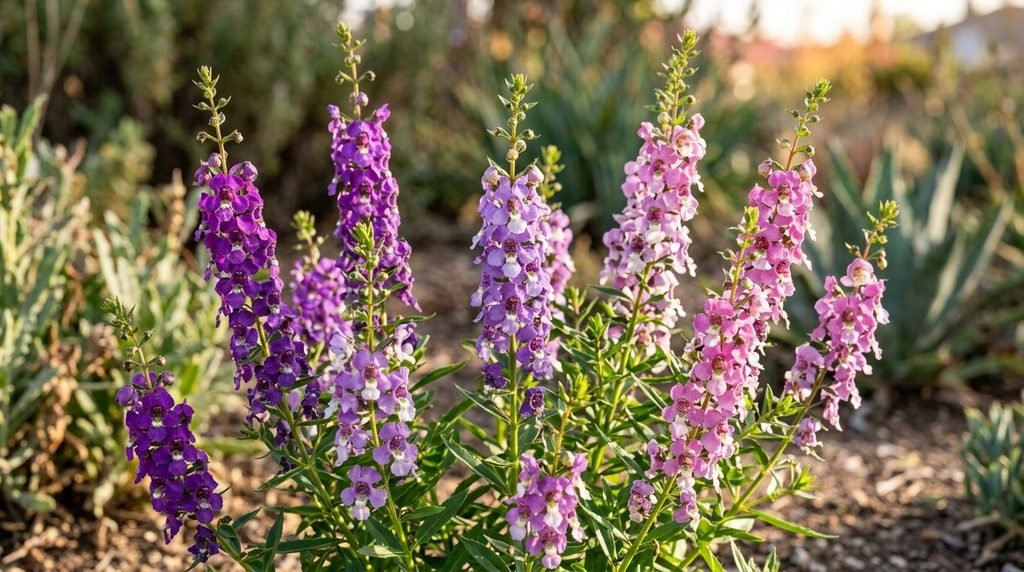
These selections generally tolerate average soil conditions, occasional watering mistakes, and minor neglect.
| Flower | USDA Zones | Care Level | Drought Tolerance |
| Alyssum | 5–9 | Easy | Moderate |
| Angelonia | 9–11 | Easy | High |
| Armeria | 3–9 | Easy | High |
| African Daisy | 9–11 | Easy | Moderate |
| Aster | 3–8 | Easy | Moderate |
| Agapanthus | 7–11 | Moderate | High |
Among these choices, Armeria deserves special attention. It handles poor soil surprisingly well and continues producing attractive blooms despite challenging conditions.
Angelonia is another standout. During hot summers, it often keeps flowering when many other annuals slow down.
Best Choices for Bright, Sunny Locations
A garden that receives six or more hours of direct sunlight opens the door to many beautiful flowering plants.
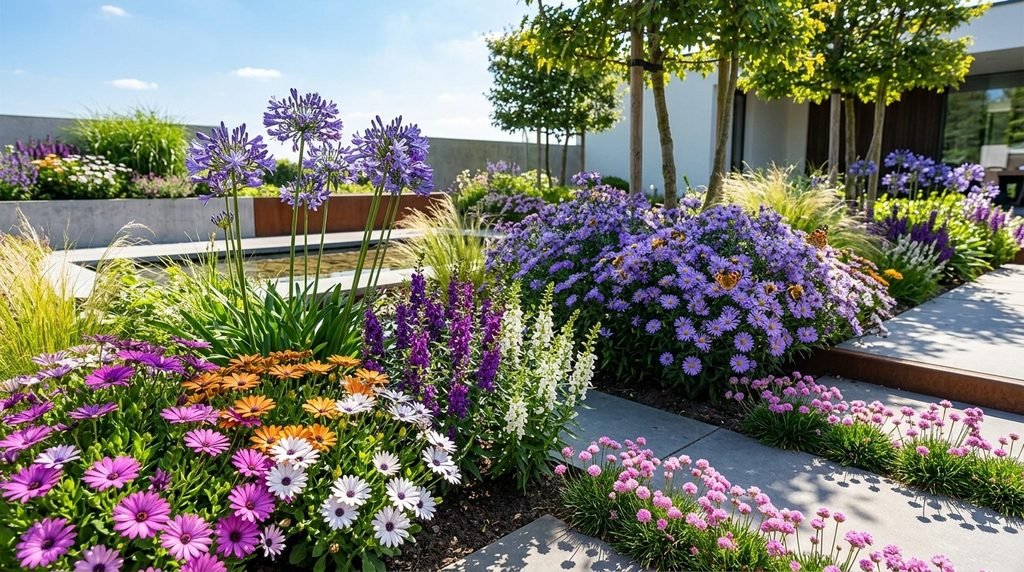
However, not every flower tolerates prolonged exposure to heat and intense afternoon sun. The following flowers typically perform best in those conditions.
| Flower | Bloom Period | Pollinator Appeal | Sun Requirement |
| African Daisy | Spring–Fall | High | Full Sun |
| Angelonia | Summer–Fall | Medium | Full Sun |
| Agapanthus | Summer | Medium | Full Sun |
| Armeria | Spring–Summer | Medium | Full Sun |
| Aster | Late Summer–Fall | High | Full Sun |
African Daisy remains one of the strongest choices for gardeners seeking vibrant color. Its flowers open fully in sunlight and create striking displays.
Aster becomes especially valuable later in the season. When many summer flowers begin fading, asters continue attracting pollinators and providing color.
Better Options for Shaded Areas
Shade does not mean giving up on flowers. Several flowers actually prefer protection from intense afternoon sunlight.
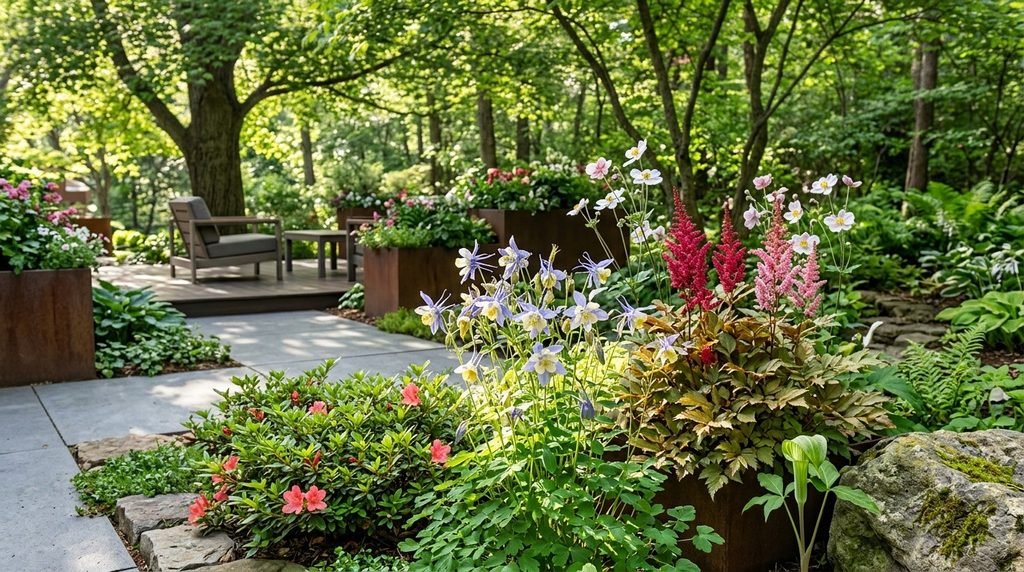
These varieties work particularly well beneath trees, along woodland borders, or in partially shaded patios.
| Flower | Shade Tolerance | Ideal Location |
| Aquilegia | Excellent | Woodland gardens |
| Anemone | Good | Borders and beds |
| Azalea | Excellent | Foundation plantings |
| Astilbe | Excellent | Moist shade gardens |
| Arisaema | Good | Woodland settings |
Aquilegia offers delicate blooms and adapts well to filtered sunlight. It is often one of the first flowers gardeners consider when bright shade needs color.
Astilbe adds another advantage. Even after flowering ends, its textured foliage continues to contribute visual interest.
Fast Bloomers for Gardeners Who Hate Waiting
Some flowers require patience. Others reward gardeners quickly.
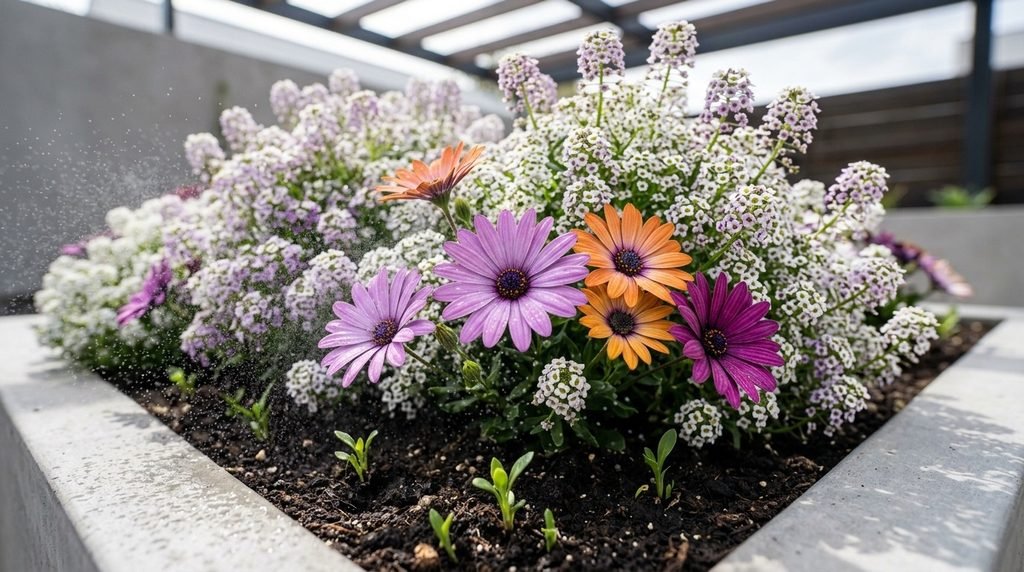
For those wanting rapid results, the following flowers typically establish and bloom relatively fast.
| Flower | Bloom Speed | Growing Method |
| Alyssum | Fast | Seed or transplant |
| African Daisy | Fast | Transplant |
| Angelonia | Fast | Nursery plants |
| Aster | Moderate | Division or transplant |
| Aquilegia | Moderate | Seed or transplant |
Alyssum remains one of the quickest flowers to establish. It often begins blooming shortly after planting and can continue for months.
African Daisy also provides rapid color, especially when purchased as a young nursery plant.
The Flowers Most Beginners Succeed With
Success during the first growing season encourages gardeners to continue learning.
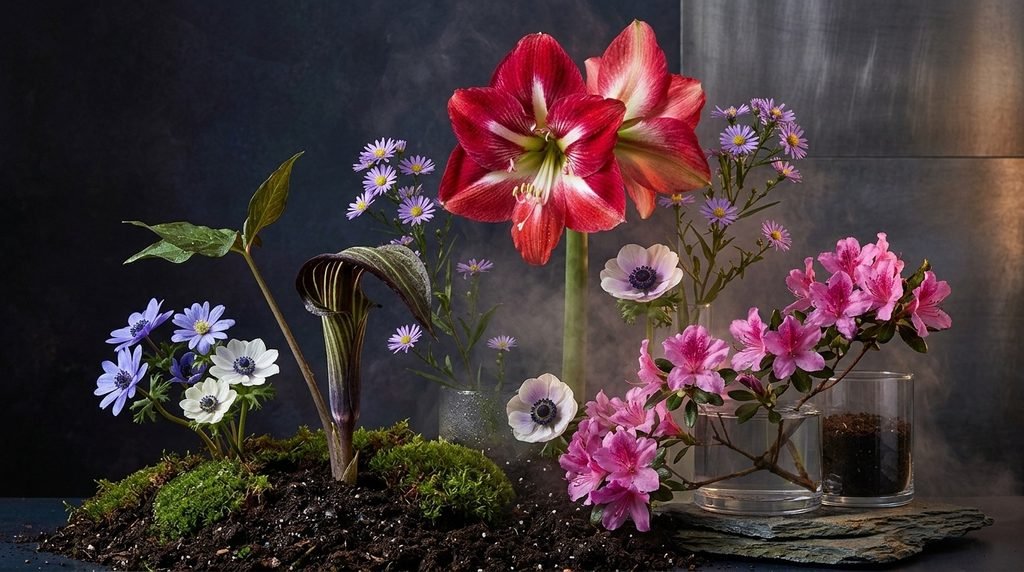
The flowers below generally tolerate common beginner mistakes and adapt to a range of conditions.
| Flower | Beginner Rating |
| Alyssum | Excellent |
| Aster | Excellent |
| African Daisy | Excellent |
| Angelonia | Excellent |
| Armeria | Very Good |
| Agapanthus | Very Good |
Alyssum earns high marks because it germinates easily and blooms generously.
African Daisy also performs well for beginners, particularly in warm regions with good sunlight.
The Ones New Gardeners Should Research Carefully
Some flowers require more planning and attention than others.
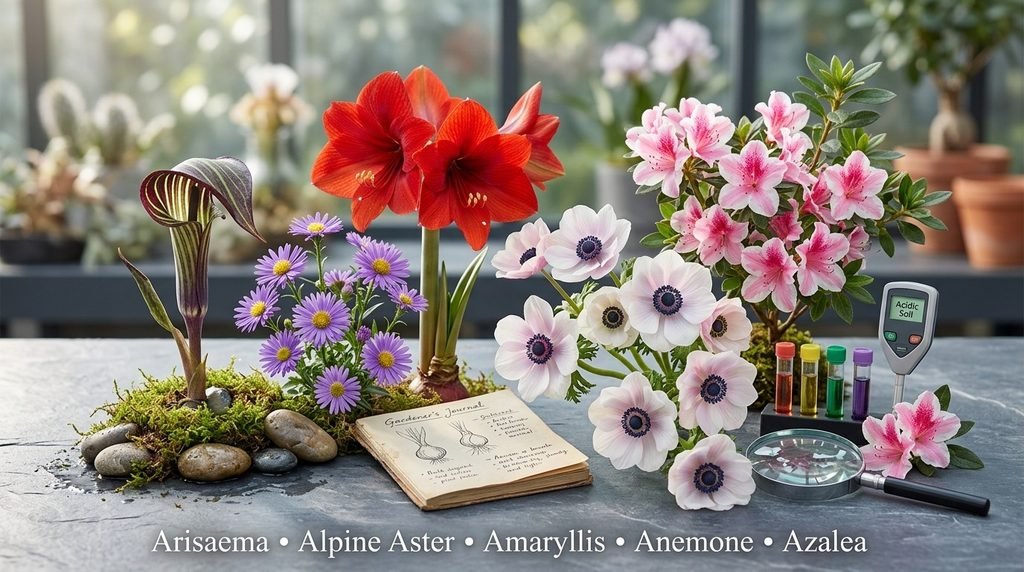
Before planting these varieties, gardeners should understand their specific growing requirements.
| Flower | Challenge |
| Arisaema | Moisture management |
| Alpine Aster | Climate sensitivity |
| Amaryllis | Dormancy care |
| Anemone | Establishment period |
| Azalea | Soil acidity requirements |
Azaleas often struggle when planted in alkaline soil. Testing soil conditions before planting can prevent long-term problems.
Amaryllis rewards patience with spectacular blooms but requires proper seasonal care to flower consistently.
Beginner Mistakes That Often Cause Problems
Many issues with A flowers come from preventable errors rather than poor plant quality.
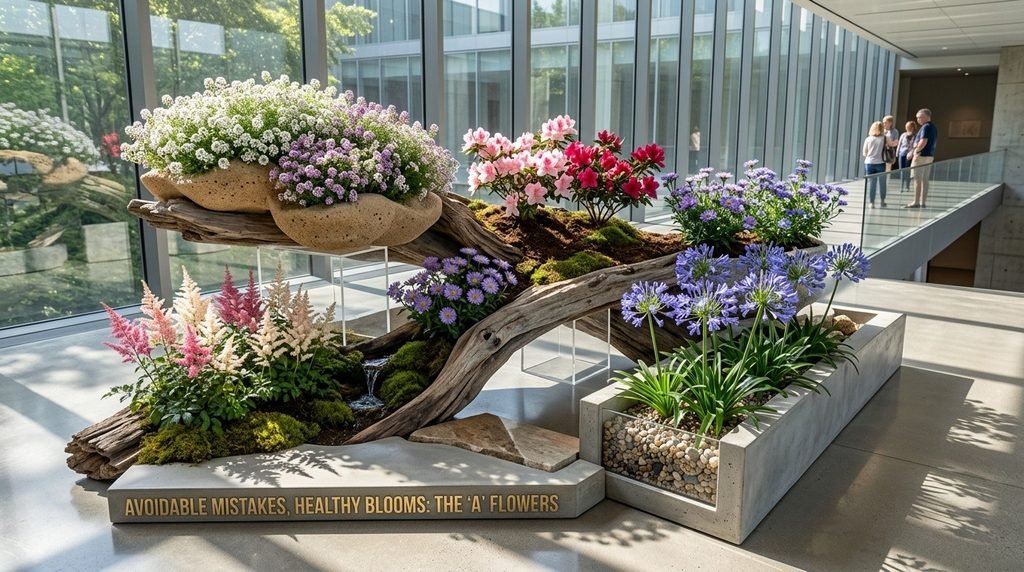
Common mistakes include:
- Overwatering Alyssum
- Planting Azaleas in unsuitable soil
- Crowding Asters too closely
- Growing Astilbe in dry locations
- Ignoring drainage for Agapanthus
- Planting shade-loving flowers in intense afternoon sun
Most of these problems are easy to avoid with basic planning.
Matching each flower to its preferred growing conditions usually produces better results than trying to force a plant into an unsuitable location.
Companion Planting Combinations That Work Well
Successful gardens rely on plant combinations rather than isolated specimens.
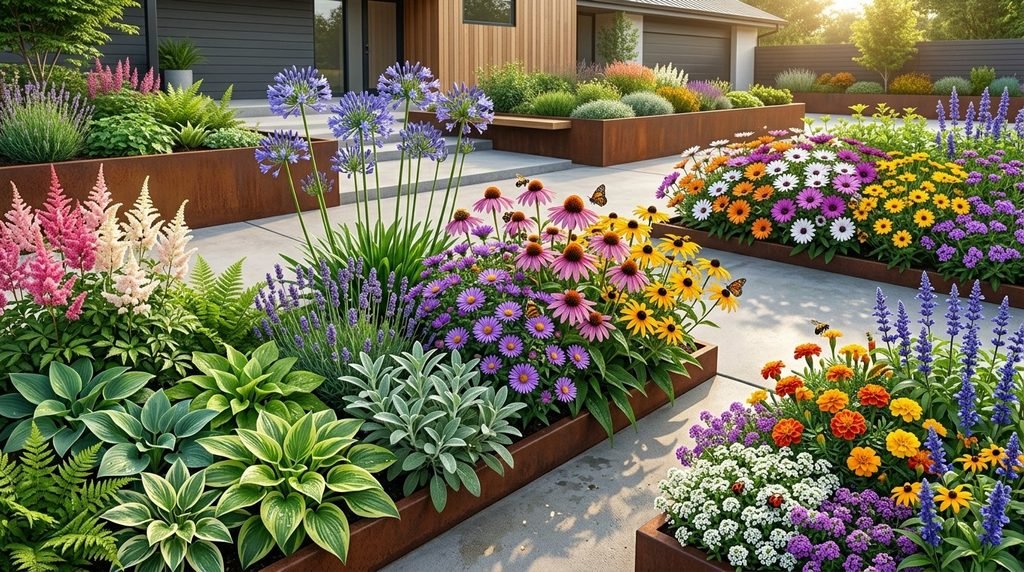
Certain flowers complement one another by sharing similar growing requirements or by extending seasonal interest.
| A Flower | Recommended Companions | Benefit |
| Alyssum | Marigold, Salvia | Attracts beneficial insects |
| Aster | Coneflower, Black-Eyed Susan | Extends pollinator season |
| Astilbe | Hosta, Ferns | Woodland garden texture |
| Agapanthus | Lavender, Sage | Drought-tolerant pairing |
| African Daisy | Coreopsis, Verbena | Long-lasting color |
Aster and Coneflower create one of the strongest late-season pollinator combinations available.
Astilbe pairs beautifully with Hostas because both appreciate similar moisture and light conditions.
USDA Hardiness Guide for Popular Flowers
Climate suitability should always be checked before purchasing plants.
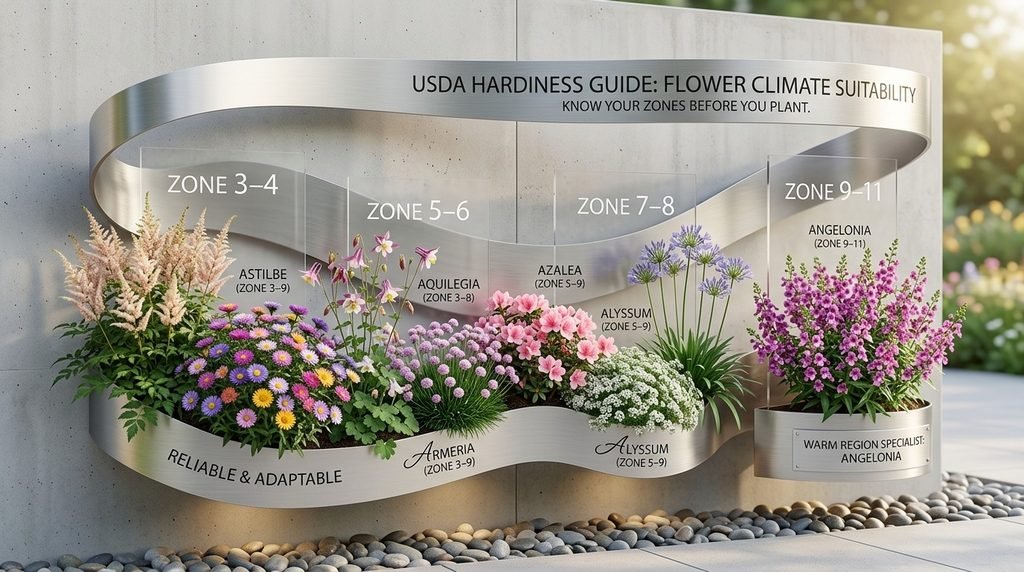
A flower that thrives in one region may struggle in another if winter temperatures fall outside its tolerance range.
| Flower | USDA Zones |
| Alyssum | 5–9 |
| Aster | 3–8 |
| Agapanthus | 7–11 |
| Astilbe | 3–9 |
| Azalea | 5–9 |
| Angelonia | 9–11 |
| Aquilegia | 3–8 |
| Armeria | 3–9 |
Asters and Astilbe adapt to a wide range of climates, making them reliable choices for many gardeners.
Angelonia, by contrast, performs best in warmer regions where frost is limited.
Seasonal Planting and Care Calendar
Timing often determines whether flowers merely survive or truly thrive.
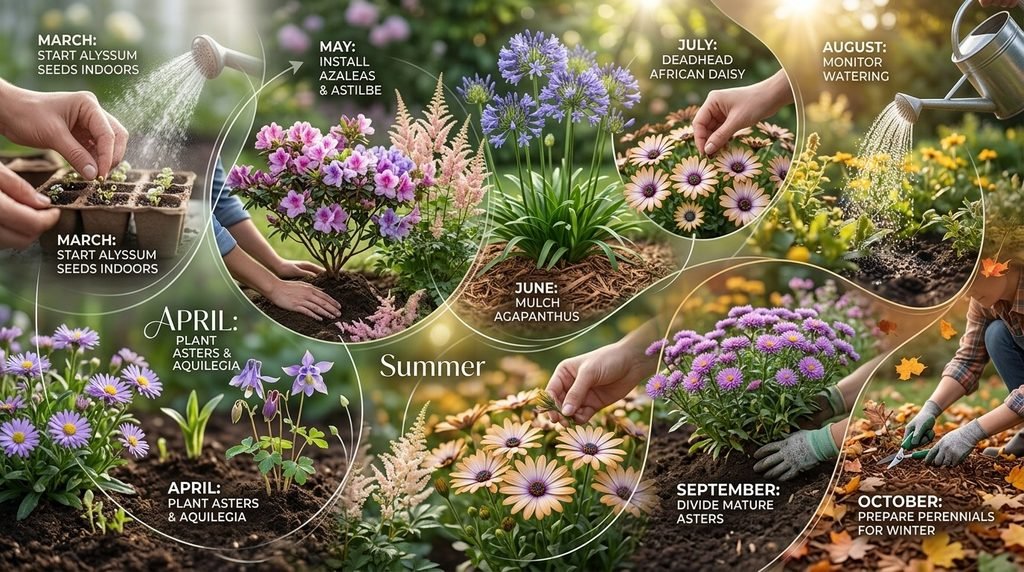
The following calendar highlights key tasks for several popular A flowers.
| Month | Recommended Activity |
| March | Start Alyssum seeds indoors |
| April | Plant Asters and Aquilegia |
| May | Install Azaleas and Astilbe |
| June | Mulch Agapanthus |
| July | Deadhead African Daisy |
| August | Monitor watering during heat |
| September | Divide mature Asters |
| October | Prepare perennials for winter |
Spring remains the busiest planting period for most A flowers.
By late summer, maintenance shifts toward watering, pruning, and preparing perennial plants for cooler weather.
If Space Exists for Only Three Flowers
Small gardens require careful choices.
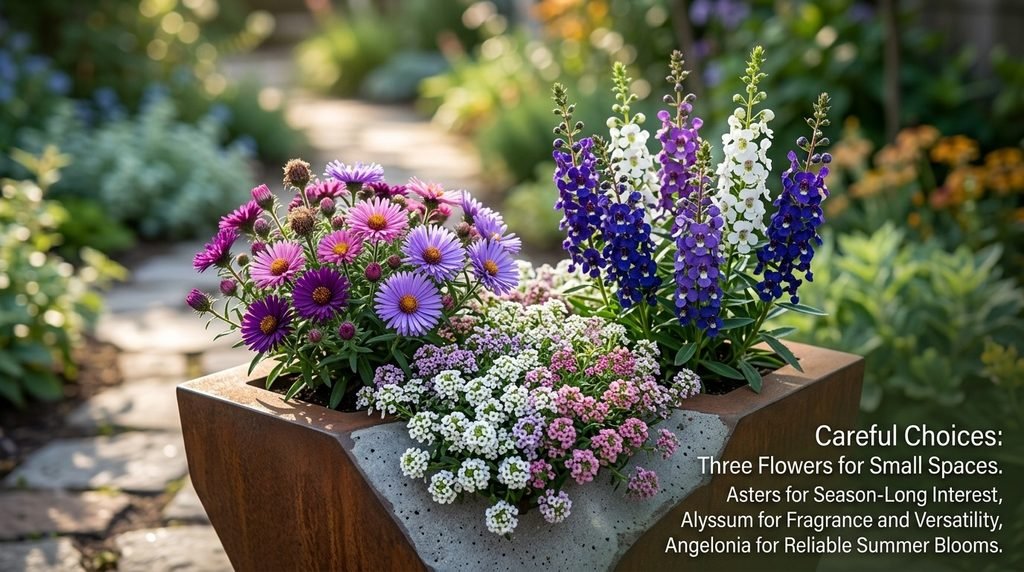
When only three flowers can be selected, the following varieties offer outstanding value.
| Flower | Why It Earns a Spot |
| Aster | Long season of interest |
| Alyssum | Fragrance and versatility |
| Angelonia | Reliable summer blooms |
Together, these flowers provide color across multiple seasons.
They also perform well in a variety of garden styles without requiring excessive maintenance.
Safety Notes Every Gardener Should Know
Beauty should never be the only consideration when choosing plants.
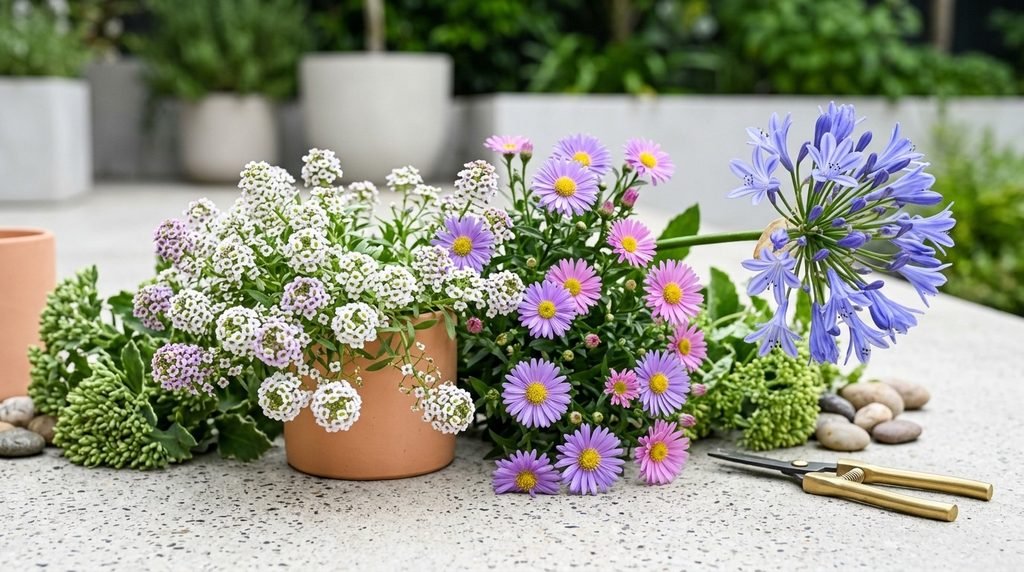
Some flowers may cause problems for pets or children if consumed.
| Flower | Safety Consideration |
| Azalea | Toxic if ingested |
| Amaryllis | Toxic to pets |
| Arisaema | Toxic if consumed |
| Agapanthus | Mild toxicity concerns |
| Alyssum | Generally considered safer |
| Aster | Generally low concern |
Households with pets should research plant choices carefully before planting.
Positioning potentially harmful flowers away from high-traffic areas can reduce risk.
Exploring A Flower Through Color
White Alyssum creates bright groundcover effects and works beautifully along pathways. Its light-colored blooms help illuminate garden edges, especially during evening hours.
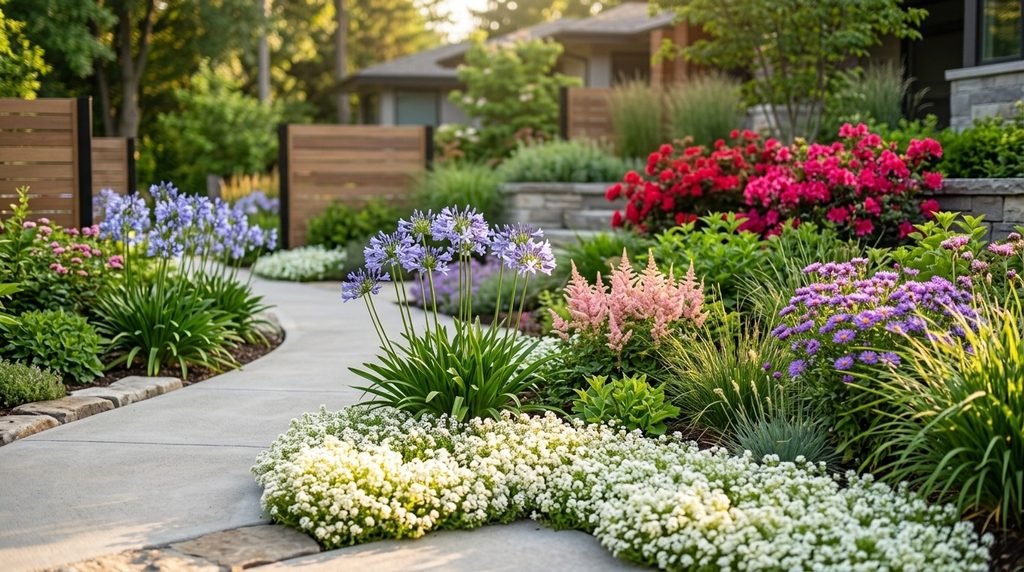
Purple Asters provide valuable late-season color. They pair particularly well with ornamental grasses and autumn-flowering perennials.
Pink Astilbe softens shaded landscapes and blends naturally with woodland-style plantings. The feathery blooms add texture even from a distance.
Blue and lavender Agapanthus flowers create a formal appearance. These blooms often become focal points in Mediterranean-inspired gardens.
Red and deep-pink Azaleas deliver dramatic spring displays. When planted in groups, they create some of the most memorable flowering scenes in the landscape.
Alphabetical Index of Flowers That Start With A
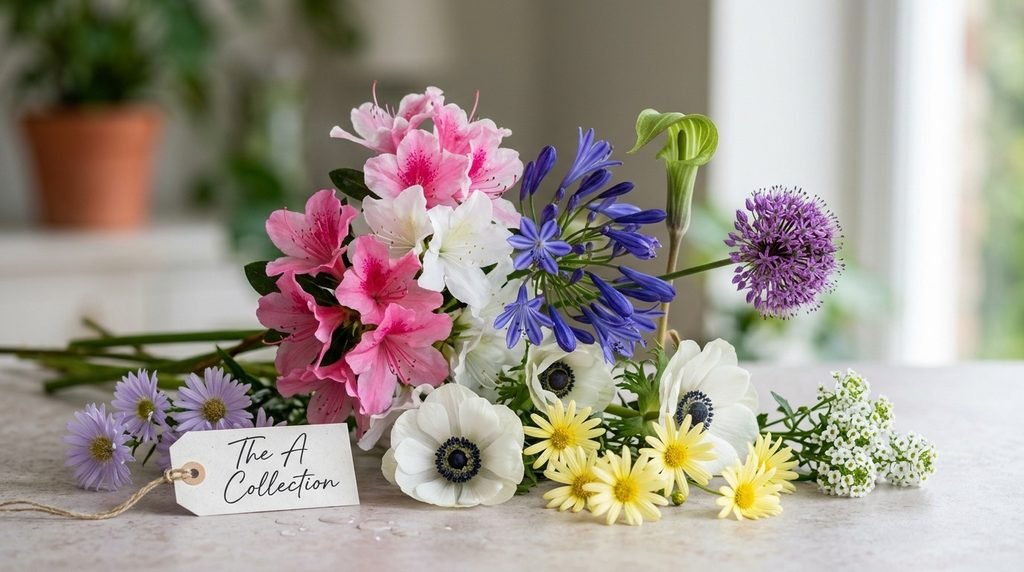
Readers looking for a quick reference can use the following alphabetical list.
- African Daisy
- Agapanthus
- Allium
- Alpine Aster
- Alyssum
- Amaryllis
- Anemone
- Angelonia
- Arisaema
- Armeria
- Aster
- Astilbe
- Azalea
- Aztec Lily
- Australian Daisy
- African Lily
- Alpine Columbine
- American Bellflower
- Apple Blossom Flower
- Autumn Crocus
Botanical Name Reference Table
Common names vary between regions, which can sometimes create confusion.
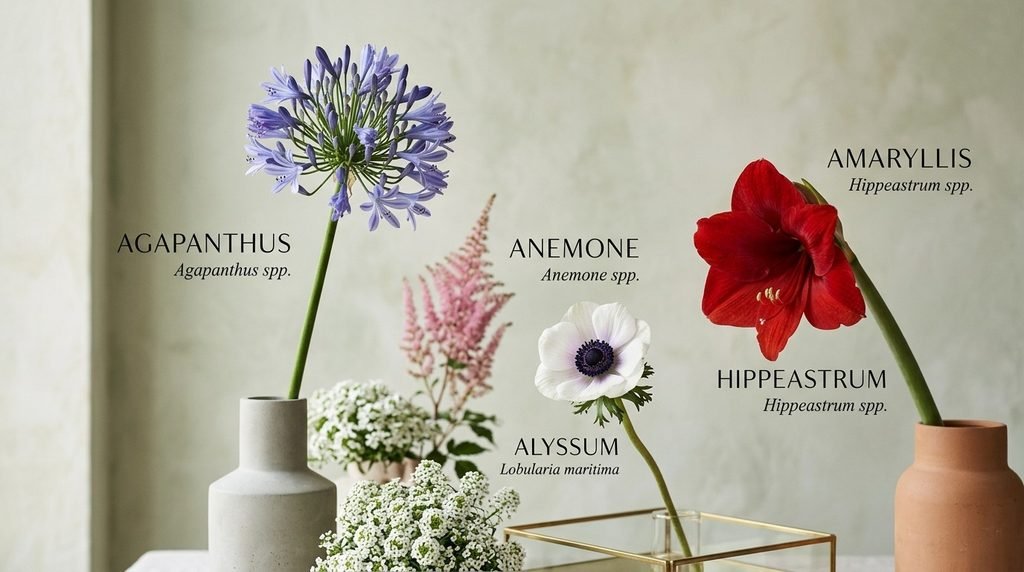
Botanical names provide a more precise way to identify plants.
| Common Name | Botanical Name |
| Alyssum | Lobularia maritima |
| Aster | Symphyotrichum spp. |
| Agapanthus | Agapanthus spp. |
| Astilbe | Astilbe spp. |
| Azalea | Rhododendron spp. |
| Angelonia | Angelonia angustifolia |
| Aquilegia | Aquilegia spp. |
| Armeria | Armeria maritima |
| Anemone | Anemone spp. |
| Amaryllis | Hippeastrum spp. |
Using botanical names becomes especially important when ordering specialty plants online.
Many common names may refer to multiple species depending on location.
Meanings and Symbolism Behind Popular Flowers
Flowers often carry symbolic associations that influence gifts, celebrations, and garden themes.
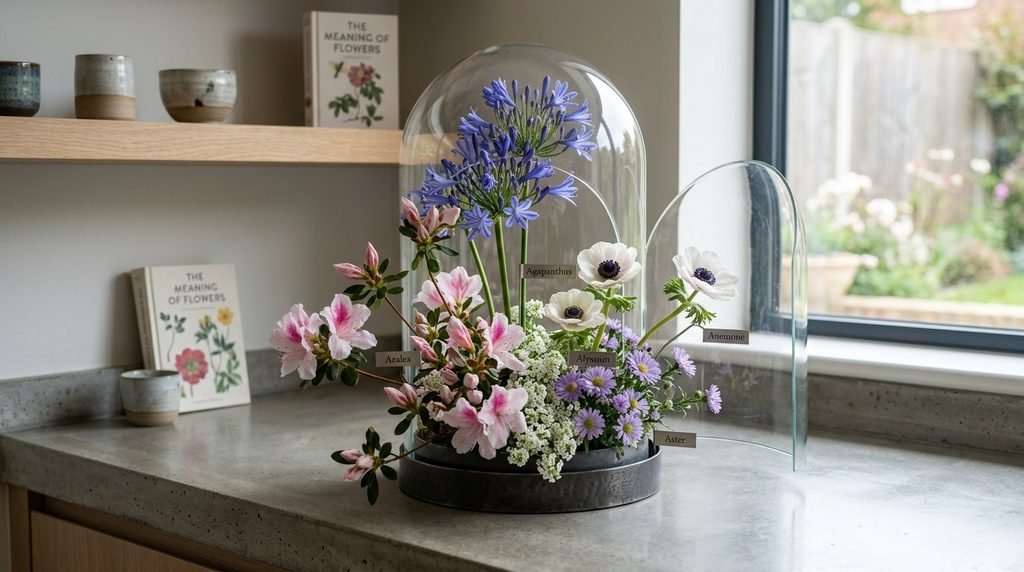
Aster traditionally represents wisdom, patience, and affection. Its late-season blooms have long connected it with endurance and lasting beauty.
Alyssum is frequently associated with calmness and emotional balance. The soft fragrance contributes to this symbolism.
Azalea often symbolizes care, appreciation, and elegance. Because of its dramatic spring flowering, it is commonly linked with abundance.
Anemone is frequently connected with anticipation and hope. Its delicate blooms appear during seasonal transitions, reinforcing that meaning.
Agapanthus has become associated with love and admiration in many floral traditions due to its impressive clusters of flowers.
Conclusion
Choosing the right flowers that start with A becomes much easier when growing conditions guide the decision. Whether the goal is creating a pollinator garden, brightening a shady corner, or building a low-maintenance landscape, flowers offer impressive diversity. By matching each plant to its preferred environment, gardeners can enjoy healthier growth, stronger blooms, and fewer maintenance challenges.
Frequently Asked Questions
1. What are the most popular flowers that start with A?
Aster, Alyssum, Azalea, Agapanthus, and African Daisy are among the most widely planted options.
2. Which flower is easiest for beginners?
Alyssum is often considered one of the easiest because it grows quickly and blooms generously.
3. Are there shade-loving flowers that start with A?
Yes. Astilbe, Aquilegia, Anemone, and Azalea perform well in partial shade.
4. Which flowers attract pollinators?
Aster, Alyssum, and African Daisy attract bees, butterflies, and other beneficial insects.
5. Are Azaleas toxic?
Yes. Azaleas contain compounds that may be harmful if consumed by people or pets.
6. Which A flowers bloom the longest?
Angelonia and Alyssum often provide extended flowering periods during warm weather.
7. Can flowers grow in containers?
Many can. Agapanthus, Angelonia, Alyssum, and Amaryllis are common container choices.
8. Which A flowers tolerate drought?
Agapanthus, Armeria, and Angelonia handle dry conditions relatively well once established.
9. Are there blue flowers that start with A?
Agapanthus produces attractive blue and lavender flower clusters.
10. What USDA zones suit most flowers that start with A?
Many popular species grow successfully between USDA Zones 3 and 9, though exact requirements vary.
11. Which flower works best in a small garden?
Alyssum is an excellent option because of its compact growth and long bloom season.
12. What are the best flowers that start with A for pollinator gardens?
Aster and Alyssum are among the strongest choices because they provide nectar and support beneficial insects.